



A wool throw is one of the quiet luxuries of a country house. It lives on the back of a sofa, gets pulled over cold knees after supper, and sometimes ends up spread on the grass for a picnic. Wool is remarkably forgiving, but it does have a memory. Treat it roughly and it will shrink, felt, or lose its shape; treat it with a little sense and it can last for decades. The good news is that the care routine is simple. It asks for cool water, gentle handling, fresh air, and a bit of patience rather than special equipment.
Know the fibre before you wash it
Start with the label. A pure lambswool blanket, a merino throw, a chunky mohair wrap, and a wool-cotton blend all behave differently in water. “Machine washable” on a wool label is a useful promise, but it usually means a cool wool cycle with low agitation, not a hot wash with the tea towels. “Dry clean only” deserves respect, especially on tailored blankets, deeply dyed weaves, or anything with a delicate fringe. If the label has gone missing, treat the piece as hand wash only or take it to a dry cleaner you trust.
Look closely at the weave
Loose, open weaves snag easily and can distort if they are lifted while wet. Tight, felted blankets are sturdier but can still shrink with heat and friction. Check the edges, too: a whipstitched blanket may need gentler handling than one with a simple turned hem. Before washing anything for the first time, test a hidden corner with a damp white cloth. If colour transfers, wash separately or leave it to a professional.
Everyday care: air, shake, and brush
Wool does not need washing after every use. In fact, frequent washing shortens its life. Most of the time, a throw simply needs to be shaken out and allowed to breathe. On a dry, breezy day, hang it over a clean line or a wide rail in the shade for half an hour. Avoid beating it against the line; a firm shake is enough to lift dust and freshen the fibres. Direct sun for hours can fade colour, so shade is kinder.
- Shake it outdoors after a week of use, especially if pets share the sofa.
- Air it in shade rather than over a radiator, which can make wool brittle.
- Brush gently with a soft clothes brush in the direction of the nap to lift crumbs and dust.
- Rotate throws between rooms so one blanket does not take all the wear.
- Keep sharp objects away—velcro, pet claws, and rough basket edges catch loose weaves.
Spot-clean small marks promptly. A crumb of cake or a muddy paw print is much easier to lift before it works into the fibre. Blot, do not rub, and let the area dry flat before putting the throw back into use.
Washing a wool throw without shrinking it
Wash when the blanket is visibly soiled, smells stale, or has had a long season of daily use. For most wool throws, hand washing is the safest route. Fill a basin or bath with cool water and add a pH-neutral wool detergent. Swirl the water gently before adding the blanket, then press it under the surface. Do not rub, twist, or leave it soaking for hours.
Hand-wash method
- Fill a basin with cool water and a small amount of wool detergent.
- Submerge the throw and press it gently; let it soak for about ten to fifteen minutes.
- Drain the water and rinse in cool water of the same temperature, pressing rather than wringing.
- Lift the blanket with both hands, supporting the weight, and roll it in a clean towel to remove excess water.
- Dry flat, reshaping the edges and fringe while it is still damp.
If you use a machine
Only machine wash if the label allows it. Use the wool or delicate cycle, the lowest spin setting, and a mesh laundry bag for smaller throws. Wash alone or with similar colours and avoid a full drum. Use a liquid wool detergent rather than a biological powder, and skip fabric softener. Softener coats the fibres, reduces their natural loft, and can leave wool feeling flatter rather than softer.
Keep these out of the wash
- Hot water and sudden temperature changes
- Chlorine bleach and harsh stain removers
- Fabric softener and dryer sheets
- Long, vigorous cycles with heavy spin
- Hanging a wet blanket on a line
Drying and finishing
Wet wool is heavy, and gravity is not its friend. Lay the throw flat on a clean towel, a drying rack, or a sheet spread over a spare bed. Reshape it to its original measurements while damp, patting the edges straight and combing the fringe with your fingers. Keep it away from radiators, wood-burning stoves, and direct sun. A warm, airy room is ideal. If the blanket is thick, turn it after a day so the underside can dry evenly.
Once dry, steam it lightly to relax wrinkles and revive the surface. Hold the steamer a little distance away and work in sections; do not press heavily with an iron. A soft brush passed over the dry wool will lift the nap and make the blanket feel new again. If the fringe looks tangled, comb it gently from the ends upward rather than tugging from the root.
Stains, pilling, and small repairs
Deal with spills promptly
Blot liquids with a clean cloth, working from the outside of the stain inward so it does not spread. Use cool water and a little wool detergent on a cloth, then press rather than scrub. For grease, a small amount of cornflour or talc left for a short while can absorb surface oil before you brush it away. Rinse with a damp cloth and dry flat. If a stain is old, large, or on a valuable blanket, ask a professional cleaner before trying anything stronger.
Pilling and snags
Small pills are normal on wool, especially where arms and pets rub. Lay the blanket flat and remove them with a fabric shaver or pilling comb, using a light touch. Do not pull at them; that drags more fibre to the surface. If a loop snags, do not cut it. Use a blunt needle or crochet hook to ease the loop back to the wrong side and smooth the area with your fingers.
Small holes and fringe
A tiny hole can be darned with matching wool, working on the reverse so the repair stays discreet. For a larger tear, a small patch of similar fabric behind the hole gives the stitches something to hold. Avoid iron-on patches, which can stiffen the wool and leave a shine. Fringe can be combed, trimmed at the very ends, and re-knotted if a section comes loose. If the blanket is an heirloom, take it to a textile conservator rather than experimenting at home.
Storing wool between seasons
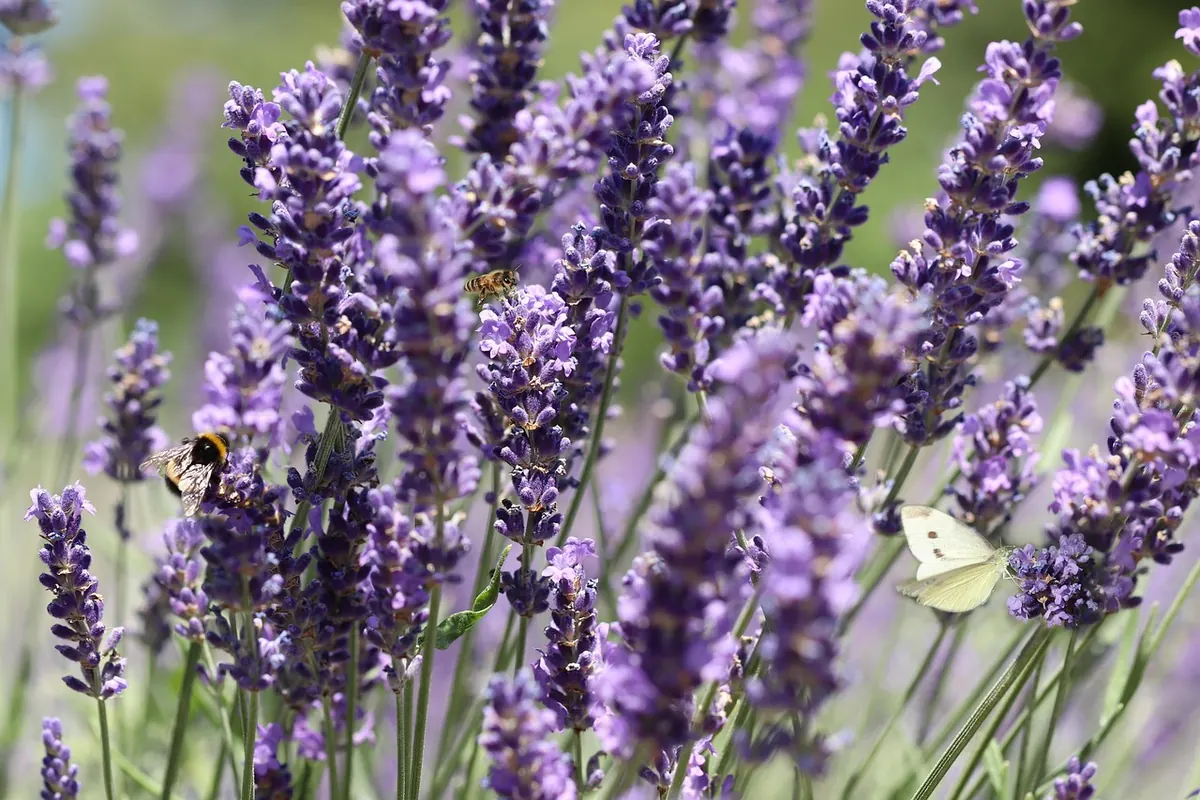
Store only clean, completely dry wool. A trace of perspiration or a forgotten biscuit crumb is an invitation to moths. Fold the throw rather than hanging it; a heavy blanket on a hanger will stretch at the shoulders. Use a breathable cotton bag or a clean pillowcase, and avoid sealed plastic, which can trap damp and encourage mustiness. Cedar blocks and lavender sachets are traditional companions in a linen cupboard, though they need refreshing from time to time.
- Choose a cool, dry, dark cupboard rather than a damp attic or shed.
- Fold loosely and avoid compressing wool into a tight vacuum bag.
- Check stored blankets once a season, especially in humid weather.
- Keep them away from direct contact with rough shelves or wire baskets.
A simple seasonal routine
In autumn, air each throw for an hour, check the seams and fringe, and spot-clean any marks before the blanket goes back on the sofa. During the colder months, shake and brush it weekly and wash only when it truly needs it. In spring, give every wool blanket a final airing, make sure it is dry, fold it with a lavender sachet, and put it away. That small rhythm of care is what keeps wool soft, warm, and ready for another winter in the country.
Photo: HomeMaker / Pixabay
Related posts
More stories you’ll love reading