

Textiles
Linen vs. Cotton vs. Hemp: Choosing the Best Fabric for a Rustic Table Setting
October 06, 2026
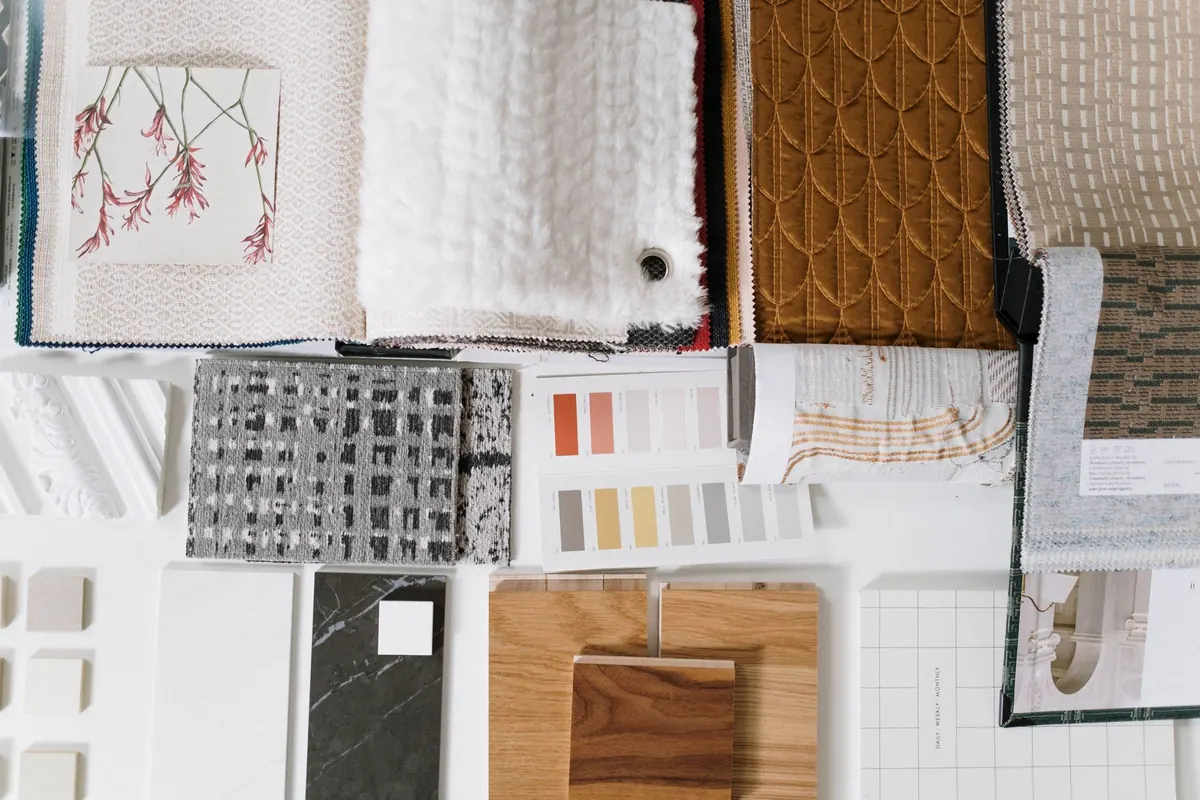
A bare oak table, a basket of pears, and a few beeswax candles can look inviting on their own. The cloth underneath is what makes the setting feel finished. It catches the light, softens the edges of the table, and takes the first splash of red wine. Linen, cotton, and hemp are the three workhorses of a country table. All are natural, washable, and capable of looking wonderfully unpretentious. They do not behave the same way, though. The right choice comes down to how you want the table to feel, how often the cloth will be used, and how much care you are willing to give it.
Texture and drape: the first thing guests notice
Before you think about durability or washing, run a hand over the fabric. Texture sets the mood of a rustic table more than color does. A crisp white cotton can feel fresh and formal; a washed linen in oatmeal feels relaxed before anyone has sat down.
Linen
Linen has a lively hand. New linen can feel cool and slightly crisp, almost papery, but it softens with every wash. It drapes loosely rather than falling in stiff folds, which is why a linen runner looks good bunched around a bowl of figs or left slightly askew. Slubs and irregular threads are part of its character, not flaws. If you want a table that looks polished but not too managed, linen is hard to beat.
Cotton
Cotton is the most forgiving of the three. It feels smooth and matte, holds a press well, and comes in everything from fine voile to sturdy canvas. On a country table, mid-weight cotton is the practical choice for everyday meals, checked tablecloths, and napkins that need to survive children and garden flowers. Very stiff or heavily finished cotton can feel flat, so look for cloth that drapes easily when you unfold it.
Hemp
Hemp sits somewhere between linen and a good canvas. It has a dry, slightly grassy texture and a bit more tooth than linen when new. Cheap hemp can feel scratchy; well-made hemp softens into a supple, weighty cloth after a few washes. Its natural shades—oatmeal, olive, undyed gray—suit dark wood, stoneware, and autumn tables especially well.
Durability: what survives Sunday lunch
A tablecloth takes more abuse than most household textiles. It gets pulled, stretched, washed, dried, and folded while still faintly damp. Linen is strong, particularly when wet, but it wrinkles readily and can wear along a sharp repeated fold. Cotton is robust and easy to reinforce, though lower-quality cotton may shrink or pill. Hemp is exceptionally strong for its weight, with long fibers that resist abrasion, but it has little stretch, so a tightly woven hemp cloth can feel unyielding until broken in.
When you are judging a cloth in a shop or online, look for these signs of a useful life:
- A tight, even weave. Hold it up to the light. Gaps and slubs are fine in linen, but a loose, uneven weave will snag and wear quickly.
- Generous hems. Deep, double-stitched hems hold up better than narrow ones, especially on cloths that are washed often.
- Weight. A mid-weight cloth drapes better and hides stains more effectively than a thin one. Very heavy hemp is durable but may be too stiff for a relaxed table.
- Colorfastness. Dark or saturated dyes should be tested with a damp white cloth before the first wash. Natural and undyed shades are the safest place to start.
For a rustic setting, you do not need armor. You need cloth that can be washed, used, and washed again without losing its shape. A few visible creases and softened edges are part of the look.
Care: the routine that keeps cloth on the table
All three fabrics prefer a simple routine: shake out crumbs, pretreat stains promptly, wash with a mild detergent, and avoid overdrying. Fabric softener is best skipped; it coats fibers and reduces absorbency, which matters for napkins and tea towels. Chlorine bleach is harsh on natural fibers and can yellow linen and hemp, so use oxygen bleach only when needed and follow the label.
Linen
Machine wash linen in cool or lukewarm water on a gentle cycle. Remove it from the dryer while still damp, or line dry and take it in before it becomes bone-dry. Smooth it with your hands and fold or roll it. If you want a crisper finish, iron it damp on a hot setting with steam. If you want the relaxed look, let it wrinkle. Linen improves with time, but repeated pressing along the same fold can weaken the fibers, so vary the folds now and then.
Cotton
Cotton can take a warmer wash than linen or hemp, but hot water and a hot dryer are the usual causes of shrinking. Wash mid-weight cotton in warm water, tumble dry low, and remove it promptly. Checked and striped cottons should be washed separately for the first few cycles in case the dye runs. Stains respond well to cool water and a little dish soap worked in gently before washing.
Hemp
Treat hemp much like linen: cool or lukewarm wash, gentle cycle, and line dry or low tumble. New hemp may feel stiff after the first wash; give it two or three cycles before judging it. Avoid wringing it hard, and never store it damp. Hemp is often described as resistant to mildew, but no cloth stays fresh if it is folded away wet.
Seasonal use: match cloth to light and menu
Seasonal use is less about strict rules and more about weight, color, and the way a cloth catches the light. Linen feels right in summer because it is cool to the touch and looks good in bright, unfussy light. A washed linen runner in white, pale gray, or faded blue works for a lunch of tomatoes, bread, and olive oil. In winter, the same linen can look thin beside heavy stew pots, so layer it with wool, wood, and darker ceramics.
Cotton is the year-round middle ground. A striped cotton cloth suits spring breakfasts and autumn suppers alike, and cotton napkins are easy to bleach back to freshness if they are white. Hemp leans toward autumn and winter in most country settings. Its earthy color and weight suit roasted vegetables, dark bread, and candlelight, though a light undyed hemp can be used in summer with simple glassware and wildflowers.
A useful habit is to keep two cloths per table size: one light and one dark, or one fine and one heavy. That small collection covers most of the year without filling a cupboard.
Choosing by table and occasion
Start with the table you actually have, not the one in a magazine. A dark scrubbed pine table can carry a strong hemp runner and plain stoneware. A painted white table may look better with washed linen and a few soft colors. For a round table, a square cloth works well for casual meals; for a long harvest table, runners and layered cloths are more flexible than one enormous tablecloth.
- Everyday family meals: choose mid-weight cotton or a cotton-linen blend for easy washing and a smooth surface.
- Summer lunches and relaxed dinners: choose washed linen in a natural or faded shade, with linen napkins that soften with use.
- Autumn and winter gatherings: choose hemp for runners, placemats, or a full cloth in oatmeal, olive, or charcoal, layered with cotton napkins for contrast.
Napkins are the easiest place to experiment. A set of linen napkins will dress up a cotton tablecloth; sturdy cotton napkins will make hemp feel less severe. If you are unsure about a full tablecloth, buy a runner first and live with it for a season.
Practical closing: build a small, useful collection
Begin with one everyday cotton cloth, one washed linen runner, and six napkins in the fabric you like best. Add a hemp piece when you find a weight and color that suit your table. Wash new cloth before its first use, keep a small stain kit near the laundry, and resist the urge to iron every crease. A rustic table should look used, not staged. Choose the fabric that fits your meals and your routine, then let it soften, fade, and settle into the life of the room.
Photo: cottonbro studio / Pexels
Related posts
More stories you’ll love reading